Manchester Takeaways About the Future of Premium Experiences
Amanda Verhoff, President, ALSD
There is always something special about gathering our industry in one place.
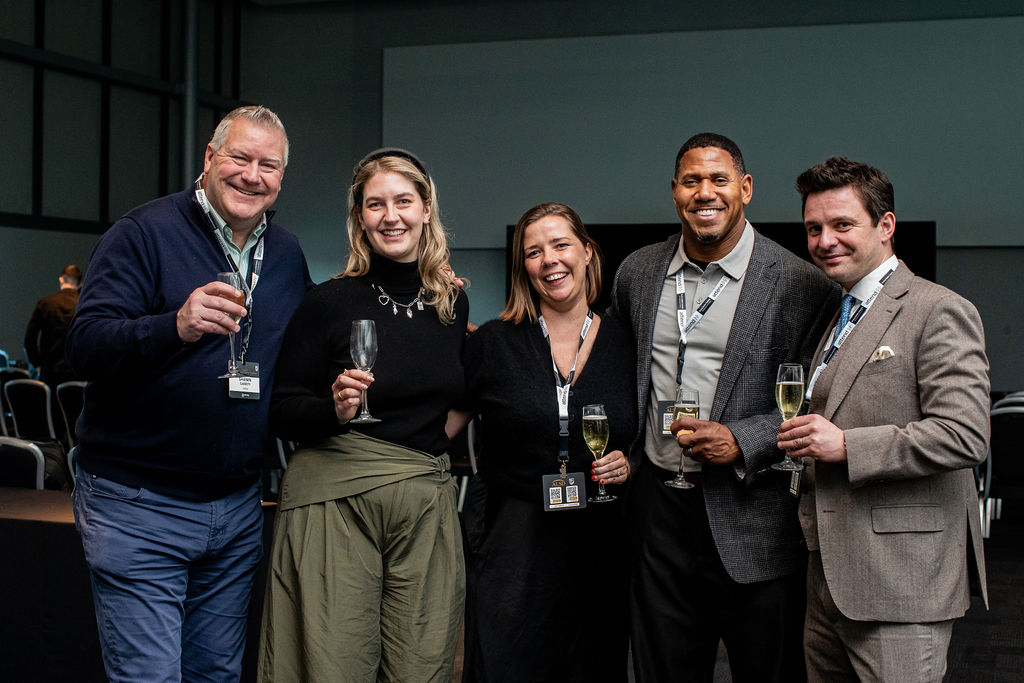
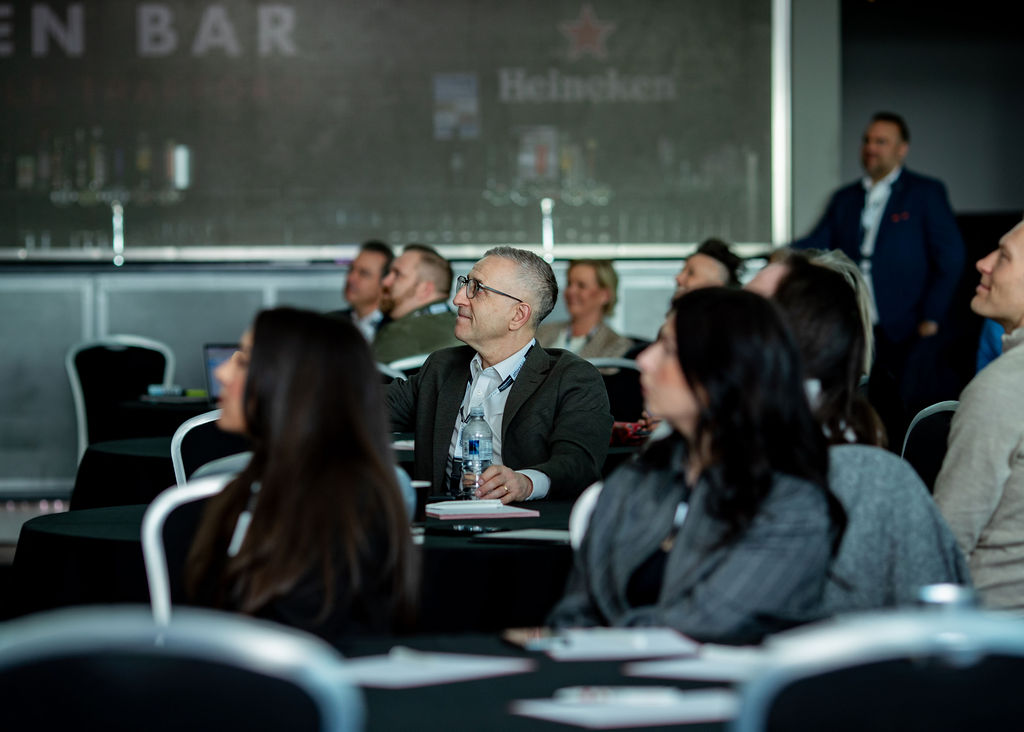
Our 7th Annual PX Global Conference in Manchester brought together leaders from across sports, entertainment, hospitality, design, technology, and premium sales for the kind of conversations that can only happen in person. The best ideas often come from walking a venue together, hearing how another market is solving a familiar challenge, or realizing that a trend you thought was isolated is actually taking shape across the globe.
What stood out in Manchester was not just one big headline. It was the growing realization that premium experience is becoming more layered, more intentional, and more responsive to changing guest expectations. It is about psychology, service, flexibility, storytelling, and the details that make people feel something memorable.
Here are some of the themes that stayed with me after our time together in Manchester.
The Details Are Becoming the Story
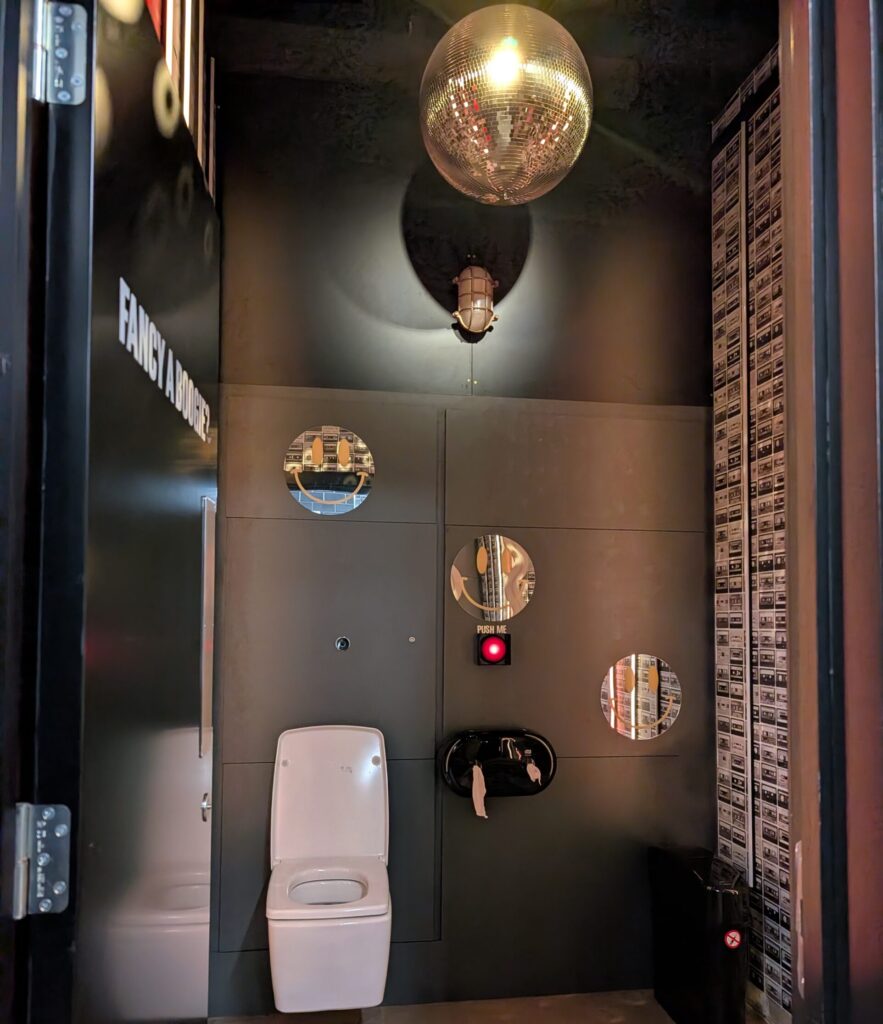
One of the more talked-about themes from the conference was something that might have seemed unlikely a few years ago: the premium restroom experience.
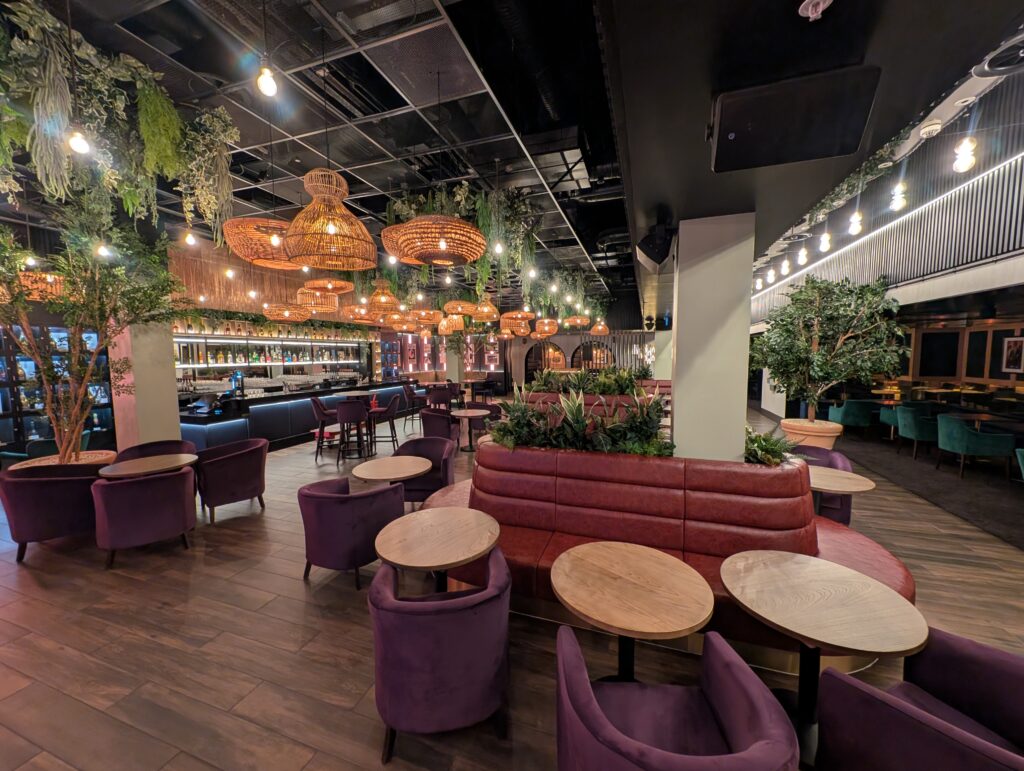
Call it “Ode de Toilette” if you want, but the point is serious. Lavish lavatories, disco-inspired restrooms, selfie-friendly sink areas, and highly designed amenities are no longer viewed as side notes. They are becoming part of the story. In premium, guests notice everything. The details that were once overlooked are now opportunities to surprise, delight, and signal that every aspect of the experience has been considered.
That is a useful reminder for all of us. Premium is no longer defined by the seat alone. It is defined by the full journey and every touchpoint that surrounds it.
Hospitality Talent Can Come From Anywhere
Another clear takeaway was the value of looking beyond our own industry when it comes to building great teams.
Some of the best premium talent may not come from sports at all. It may come from boutique hotels, Michelin-starred restaurants, high-end retail, cocktail bars, coffee programs, and luxury service environments where storytelling, attentiveness, and emotional intelligence are part of the culture. These professionals know how to create a feeling. They know how to read a room, anticipate needs, and add personality without losing polish.
As venues continue to rethink premium hospitality, many should widen the aperture on where they recruit and what kind of service mindset they value.
We Need to Deconstruct Great Experiences in the Real World
If we want to create better premium environments, we should spend more time studying exceptional experiences outside our own walls.
What makes a boutique hotel feel seamless from arrival to departure? Why does a Michelin-level dining experience feel so special before the first course ever arrives? What reduces anxiety? What builds anticipation? What creates comfort, confidence, and connection?
The smartest operators are deconstructing the full journey, especially ingress, parking, arrival, circulation, service touchpoints, and egress. Looking at the guest experience driveway to driveway is no longer optional. It is essential.
Anticipatory Service Is the New Differentiator
Everyone talks about the “wow” moment. Fewer know how to build for it.
One of the most compelling themes from Manchester was anticipatory service. The idea is straightforward: the best experiences do not just respond to guest needs. They get there first. They provide something the guest did not know to ask for but immediately values once it appears.
That can mean culinary moments unique to the venue, backstage touches that make guests feel closer to the action, or unexpected gestures that transform a night from enjoyable to unforgettable. In a landscape where many premium products are becoming more polished, anticipation may be the real differentiator.
Standing Premium Is Not a Contradiction
For years, premium has often been equated with more space, more comfort, and, of course, better seats. But Manchester underscored that premium does not always have to mean seated.
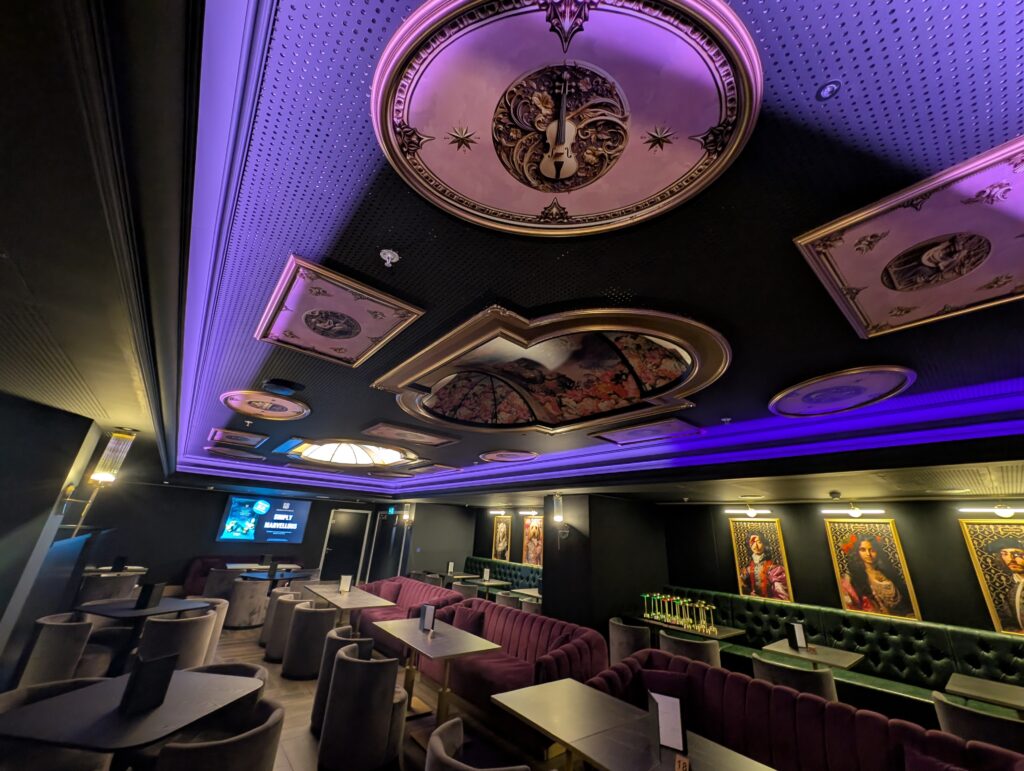
“Standing premium” is gaining traction because it reflects how some guests actually want to experience live events. They want energy. They want social interaction. They want exclusivity and upgraded amenities, but they do not necessarily want a traditional sit-down setting. This is especially relevant for certain concerts, younger demographics, and fans seeking a different kind of elevated access.
Premium is diversifying. That is a good thing.
We Are Monetizing Congregation, Not Just Inventory
This thought stayed with me: we are in the business of making memories and monetizing congregation.
That means our go-to-market strategies have to evolve beyond simply slotting buyers into products. We need to better understand why people gather, what types of social behavior different products enable, and how premium spaces can support belonging, celebration, status, comfort, or access.
As premium offerings proliferate, the question is no longer just what can be sold. It is what resonates first, what creates long-term value, and what best serves both the client and the venue. That requires sharper segmentation, deeper consumer understanding, and a willingness to think more like behavioral strategists.
Accessibility Must Include the Invisible
One of the most important conversations in Manchester focused on designing frictionless experiences for neurodivergent guests and those with invisible disabilities.
The point was powerful. If we truly want to design for fans, we have to think about those who are not yet coming because the current experience feels stressful, overwhelming, or inaccessible. Anxiety is a barrier. Uncertainty is a barrier. Sensory overload is a barrier.
Designing for a broader range of needs is not a niche conversation. It is a meaningful opportunity to welcome more people, build loyalty, and create environments that feel more intuitive and humane for everyone.
Design Has to Keep Evolving
There was also healthy discussion around how venues respond to changing tastes, emerging demographics, and fast-moving cultural preferences.
Not every trend deserves a wholesale redesign. But venues do have to remain attentive to what guests want now, not just what worked in the past. The answer is not chasing novelty for its own sake. It is staying curious, testing smartly, surveying consistently, and creating systems flexible enough to adapt.
The venues that stay relevant will be the ones that treat evolution as part of the job.
Technology Must Support Constant Reinvention
This was especially true in conversations around multi-tenant and event-driven venues. Digital infrastructure is no longer a back-of-house issue. It is central to how modern buildings function and monetize.
Venues may need to adapt branding, food and beverage, merchandise, and sponsor integration night after night. New mixed-use or multi-use venues may serve professional teams, college programs, touring entertainment, and special events under one roof. That demands technology systems that are not static, but dynamic.
Digital is not a nice-to-have. It is the operating layer that makes modern flexibility possible.
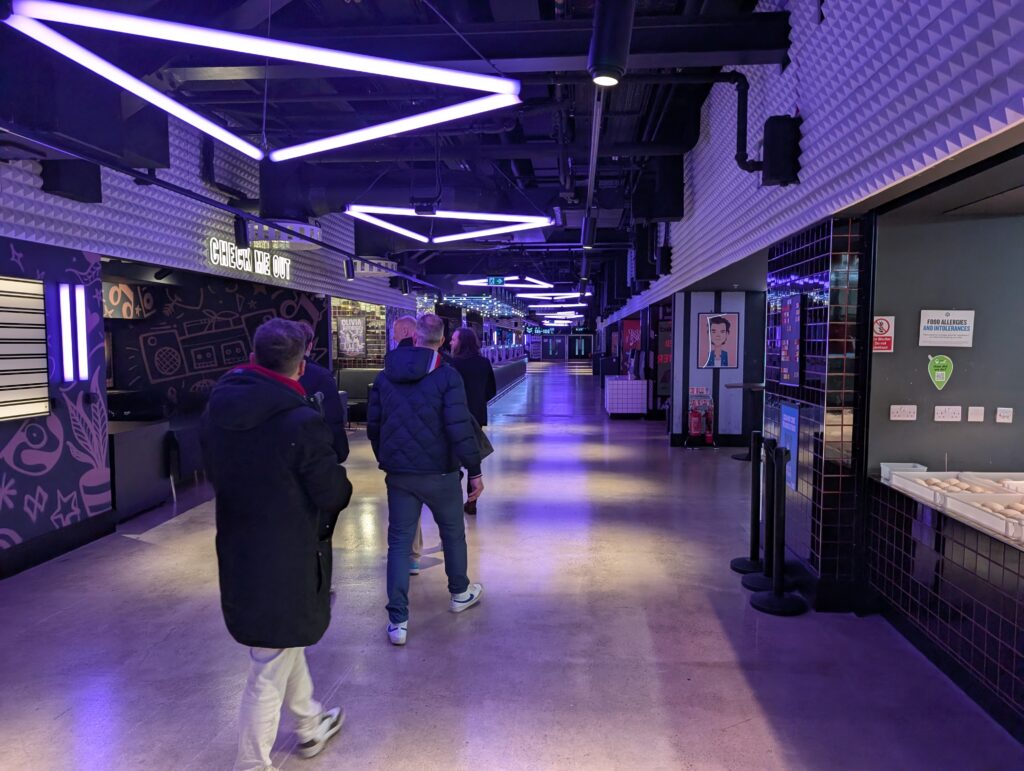
The Concourse Is One of the Most Valuable Spaces in the Building
Nearly every guest moves through the concourse. That alone should make it one of the most strategic spaces in any venue.
Manchester reinforced the need to think of concourses as flexible commercial environments, not simply circulation paths. A K-pop event may call for a very different merchandise and beverage mix than a football match or an esports competition. Fan behavior changes. Dwell time changes. Demand changes.
The more adaptable the concourse, the more opportunities a venue has to serve the audience in front of it and unlock additional revenue in the process.
Operators Need a Stronger Voice in Design
One recurring tension that surfaced in Manchester was the balance between design ambition and operational reality.
Designers are tasked with imagining what is possible. Operators are responsible for making it work in real life. The most successful projects happen when both perspectives are present early and often. Premium teams cannot wait until the unveiling to weigh in. They need a seat at the table from the beginning.
Those closest to the guest understand what drives revenue, what creates friction, what looks good in a rendering, and what actually works on event day. That voice matters.
Automation Before AI
As expected, AI entered many conversations. But one of the most grounded points made during the conference was that automation should come before artificial intelligence.
That is not anti-AI. It is pro-foundation. Automation forces organizations to standardize workflows, tighten handoffs, and remove unnecessary complexity. It also creates the consistency and data discipline that AI depends on. If the underlying process is messy, the outputs will be too. If the data is unreliable, the intelligence will be limited.
Before adding more AI, many organizations still need to do the foundational work that makes smarter systems actually useful.
Sports Tourism Is a Bigger Opportunity Than Many Realize
We also heard a great deal about sports tourism and the rise of bucket-list event travel. This is a major global opportunity, and it is only growing.
Fans are increasingly willing to travel, often paying a premium, for events they have long wanted to experience in person. Many of these buyers are not traditional corporate clients. They are experience-driven travelers, often international, often high-intent, and often interested in packaged access that combines ticketing, hospitality, and travel services.
That shift requires new thinking around data, lead generation, partnerships, and product design. It also calls for a more intentional strategy around concierge-style services and packages that meet these buyers where they are.
Global Trends Matter, But Local Strategy Still Wins
For all the global themes discussed in Manchester, one truth remained constant: local strategy matters.
Diversification in premium products may be a broad trend, but the right mix still depends on geography, customer base, timing, and market demand. Local feasibility, local data, and local sales insight need to shape decisions from the start. That is especially true for new builds and long-range projects. If a venue is five years from opening, the commercial planning should not lag behind the construction timeline. It should run alongside it.
Thinking globally is valuable. Acting locally is what makes the strategy real.
One Client, One Strategy
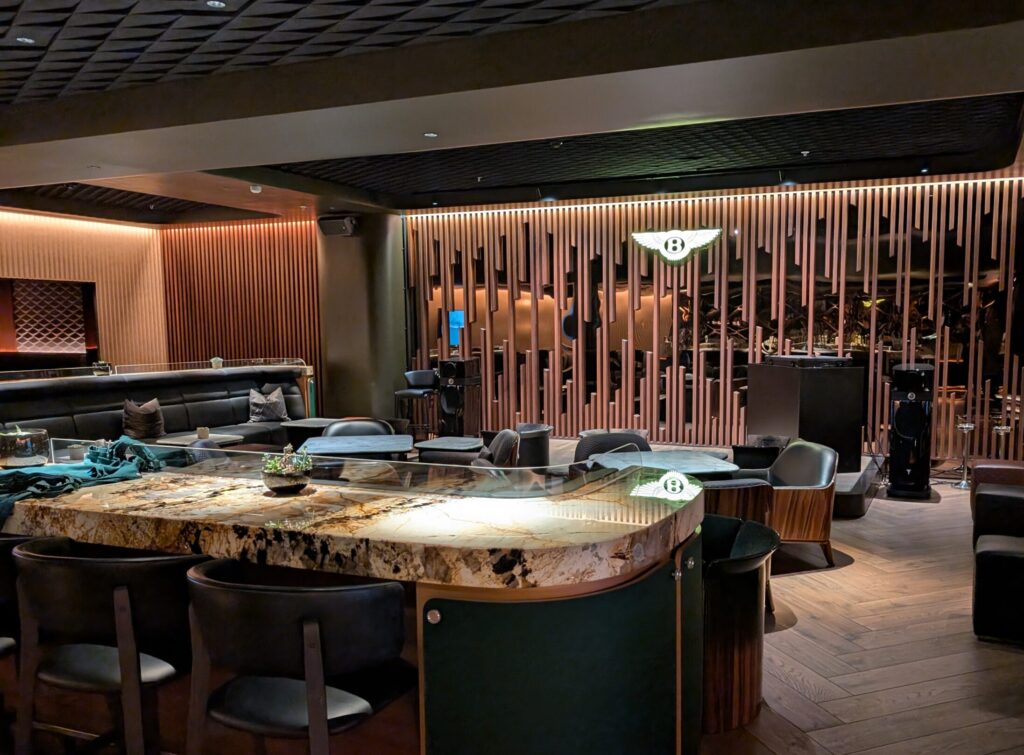
Finally, one of the more strategic discussions focused on the overlap between premium buyers and sponsors. In many cases, they are the same companies, or at least adjacent decision-makers within the same organization.
That raises an important question: why are so many organizations still approaching them separately?
A more coordinated strategy can create a stronger relationship, a clearer story, and more value for the client. It also helps ensure that partnership activations are not treated as disconnected add-ons, but as thoughtful extensions of the venue environment and guest experience. The best activations enhance the experience. They do not distract from it.
The Bigger Takeaway
If I had to summarize Manchester in one thought, it would be this: premium experience is becoming more human, even as it becomes more technological.
The industry is getting smarter about data, more sophisticated about design, more creative about inventory, and more ambitious about revenue. But underneath all of it is still the same core challenge and opportunity: understanding people. What they value. What they remember. What makes them return. What makes them feel seen?
And that is exactly why this community continues to be so important.
The conversation continues in Denver. Join us!